FDA Food Facility Audits: What Inspectors Look for Overhead
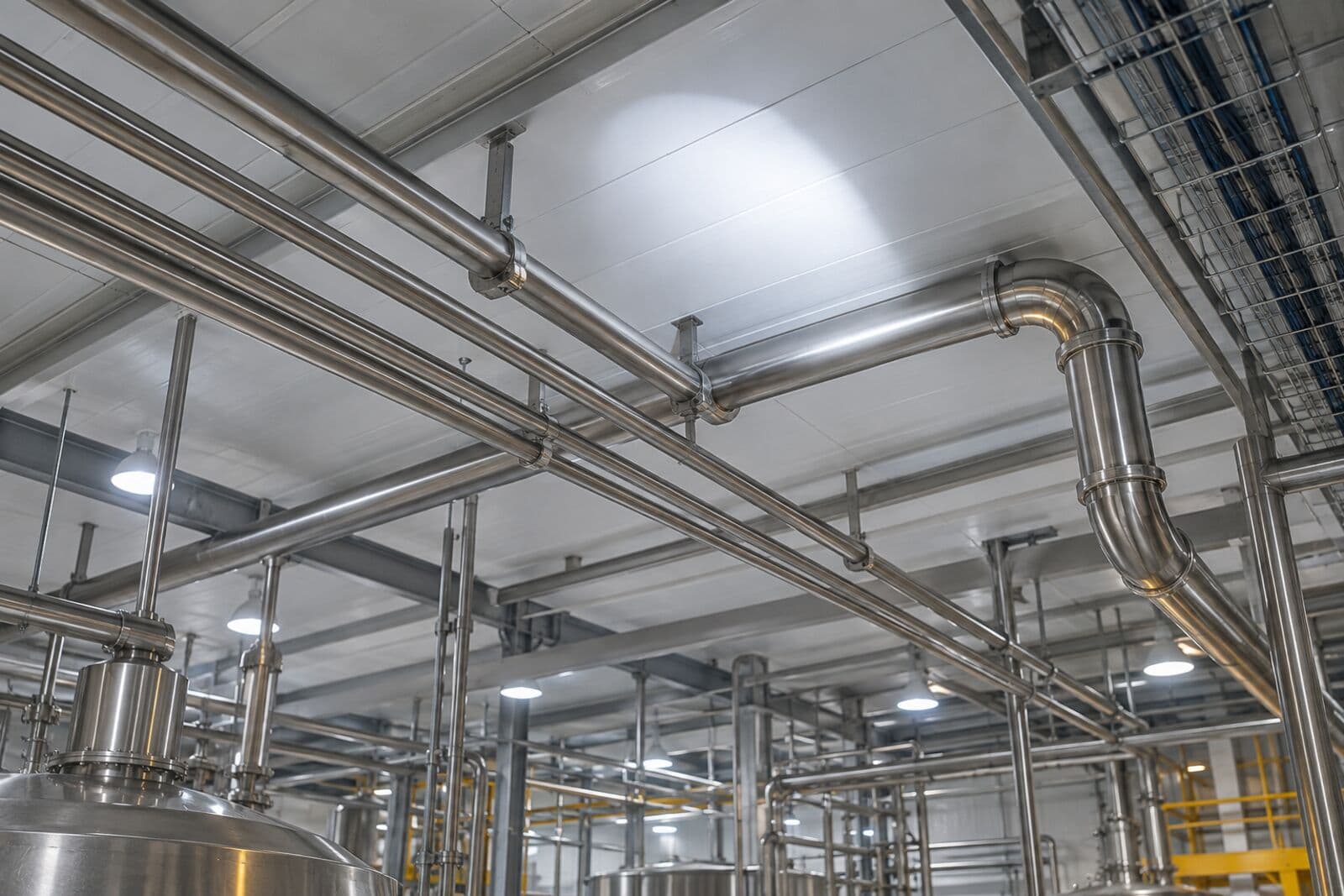
When FDA or USDA inspectors walk through your Memphis food processing facility, they're not just looking at your production floor—they're looking up. Overhead sanitation is a critical component of food safety compliance.
The FDA Inspection Process
During a facility inspection, FDA investigators conduct a complete walkthrough from ingredient receiving to product distribution. According to FDA inspection guidelines, investigators observe processes, manufacturing procedures, and employee practices—including your sanitation program.
What Inspectors Look for Overhead
The USDA Sanitation Performance Standards require that floors, ceilings, structural beams, piping, light fixtures, and other overhead areas be cleaned regularly. Here's what investigators specifically check:
There must be adequate procedures to prevent overhead condensation from dripping onto food, food contact surfaces, or packaging materials. Condensation on pipes or cold surfaces is a major contamination risk.
Inspectors evaluate ceilings, rafters, and overhead fixtures for dust buildup that could fall onto products or equipment. Visible dust is an immediate red flag.
Overhead surfaces must be maintained to prevent flaking paint, rust, or other materials from contaminating products below.
Rafters, pipe chases, and overhead areas are checked for pest activity, including bird droppings, insect debris, or rodent evidence.
Equipment Clearance Requirements
FDA guidelines specify minimum clearances to allow proper cleaning:
- Overhead clearance: Minimum 18 inches above equipment to allow cleaning access
- Equipment spacing: Minimum 36 inches of clear space around equipment for sanitation
- Wall clearance: Equipment should not be placed flush against walls
If your facility layout doesn't meet these clearances, you'll need specialized cleaning methods to reach all surfaces.
Documentation Requirements
Inspectors will ask to see your sanitation records. Your documentation should include:
- Written cleaning schedules specifying frequency for all areas
- Detailed logs of cleaning activities with dates and personnel
- Verification results (visual inspections, swab tests if applicable)
- Corrective actions taken when issues were identified
- Third-party cleaning service records and certificates
Pro Tip: Photo Documentation
Ask for before and after photos with every high dusting service. These photos demonstrate your commitment to sanitation and provide evidence for inspectors that your cleaning program is being followed.
Preparing for Your Next Audit
Don't wait for an inspection to address overhead sanitation. Schedule professional high dusting as part of your regular sanitation program. Memphis High Dusting specializes in food processing facilities and understands FDA and USDA requirements.
Work can be scheduled for nights and weekends to minimize disruption to your production schedule, with the documentation you need for your compliance records.
Related Articles
Frequently Asked Questions
What do FDA inspectors look for overhead?
FDA inspectors check for condensation and dripping, dust and debris accumulation, peeling paint or rust, and pest evidence on ceilings, rafters, piping, and light fixtures.
What documentation do I need for FDA audits?
You need written cleaning schedules, detailed logs of cleaning activities with dates and personnel, verification results, corrective actions taken, and third-party cleaning service records.
What are FDA clearance requirements for equipment?
FDA guidelines specify minimum 18 inches overhead clearance above equipment and minimum 36 inches of clear space around equipment for sanitation access.