How Often Should Your Warehouse Get High Dusting?
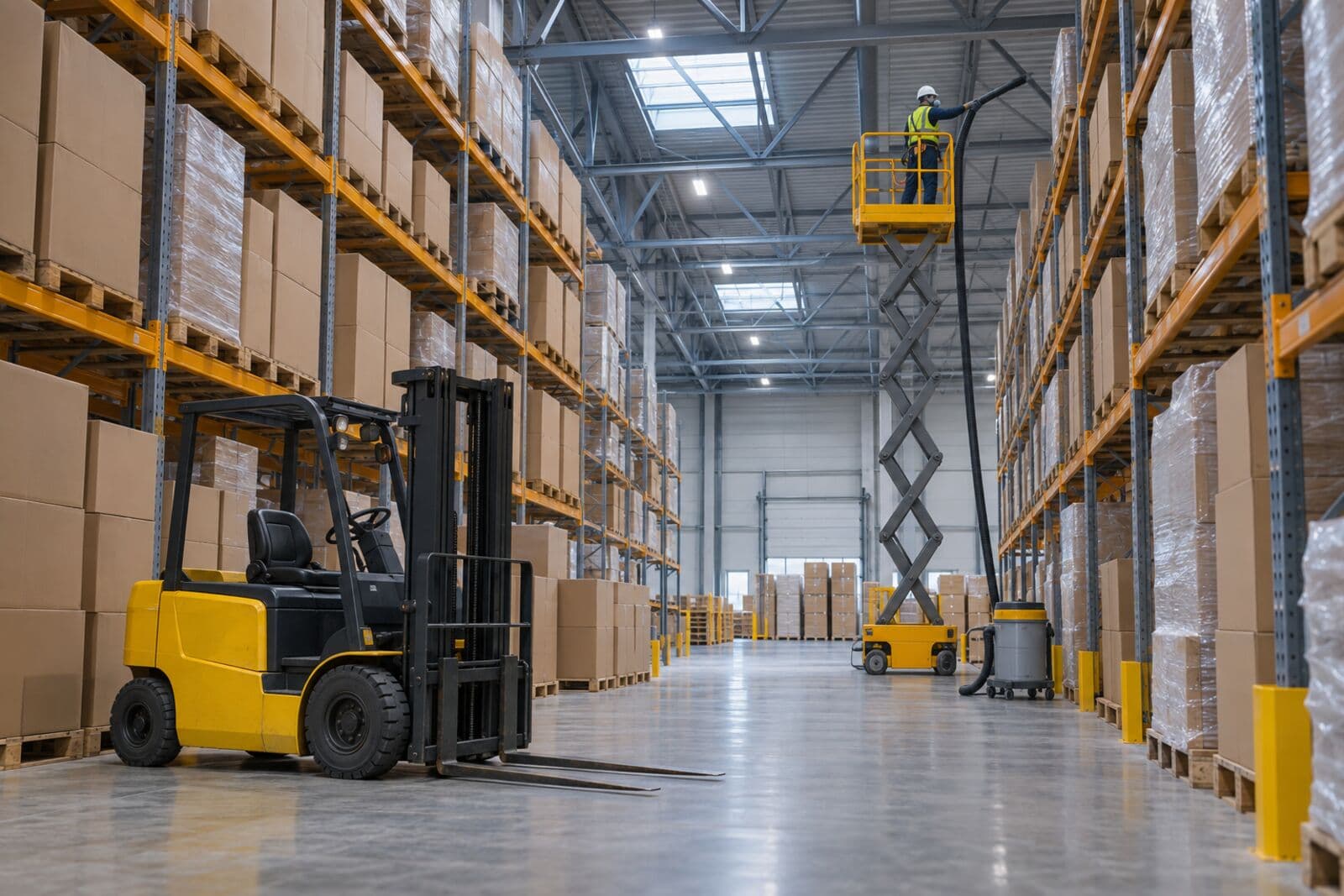
One of the most common questions we get from Memphis facility managers is: "How often do we need professional high dusting?" The answer depends on your industry, operations, and compliance requirements.
The Short Answer: Monthly to Quarterly
For most warehouses and industrial facilities, high dusting should be performed on a monthly to quarterly basis. However, facilities handling combustible materials or subject to FDA/USDA regulations may need more frequent cleaning.
Recommended Schedules by Facility Type:
- Food Processing Plants: Monthly (FDA/USDA compliance)
- Manufacturing with Combustible Dust: Monthly (OSHA/NFPA compliance)
- Distribution Centers: Quarterly
- General Warehouses: Quarterly to Semi-annually
- Cold Storage: Quarterly (condensation concerns)
Factors That Increase Cleaning Frequency
Several factors can require more frequent high dusting services:
1. Production Volume and Foot Traffic
Higher production levels and increased foot traffic naturally generate more airborne particles. Facilities running multiple shifts or handling high volumes of materials will see faster dust accumulation on overhead surfaces.
2. Type of Materials Handled
Facilities processing wood, grain, flour, metal powders, or other dust-generating materials need more frequent cleaning. These materials create combustible dust hazards that require strict housekeeping under NFPA 652.
3. Ceiling Height and Ventilation
Tall ceilings (30+ feet) in Memphis warehouses can actually accumulate dust faster because particles have more time to settle on elevated surfaces. Poor ventilation or HVAC systems that don't adequately filter air also contribute to faster buildup.
4. Local Environment
Memphis's humid climate can cause dust to become sticky and harder to remove if left too long. Facilities near construction sites, unpaved roads, or agricultural areas may also see increased dust infiltration.
What Should Be Cleaned?
A comprehensive high dusting service should address all elevated surfaces:
- Ceiling rafters, trusses, and beams
- Overhead piping and conduit runs
- HVAC ductwork and vents
- Light fixtures and electrical fixtures
- Fire suppression system piping and sprinkler heads
- Cable trays and wire runs
- Top surfaces of tall racking systems
- Exhaust fans and ventilation equipment
Creating Your Cleaning Schedule
The best approach is to establish a documented cleaning program that includes:
- Baseline Assessment: Have a professional evaluate your current dust levels and identify problem areas
- Scheduled Deep Cleaning: Monthly or quarterly professional high dusting based on your facility type
- Interim Inspections: Weekly visual checks of critical areas between professional cleanings
- Documentation: Keep records of all cleaning activities for compliance purposes
Contact Memphis High Dusting for a facility assessment. We'll help you determine the right cleaning frequency for your specific operations and compliance needs.
Related Articles
Frequently Asked Questions
How often should a warehouse get high dusting?
Most warehouses need professional high dusting monthly to quarterly. Food processing and combustible dust facilities typically need monthly cleaning, while general warehouses can often go quarterly.
What factors affect high dusting frequency?
Key factors include production volume, type of materials handled, ceiling height, ventilation quality, and local environment. Facilities handling combustible materials or subject to FDA/USDA regulations need more frequent cleaning.
What areas are included in high dusting?
High dusting covers ceiling rafters, overhead piping, HVAC ductwork, light fixtures, fire suppression piping, cable trays, and tops of tall racking systems.