OSHA Combustible Dust Standards: Memphis Compliance Guide
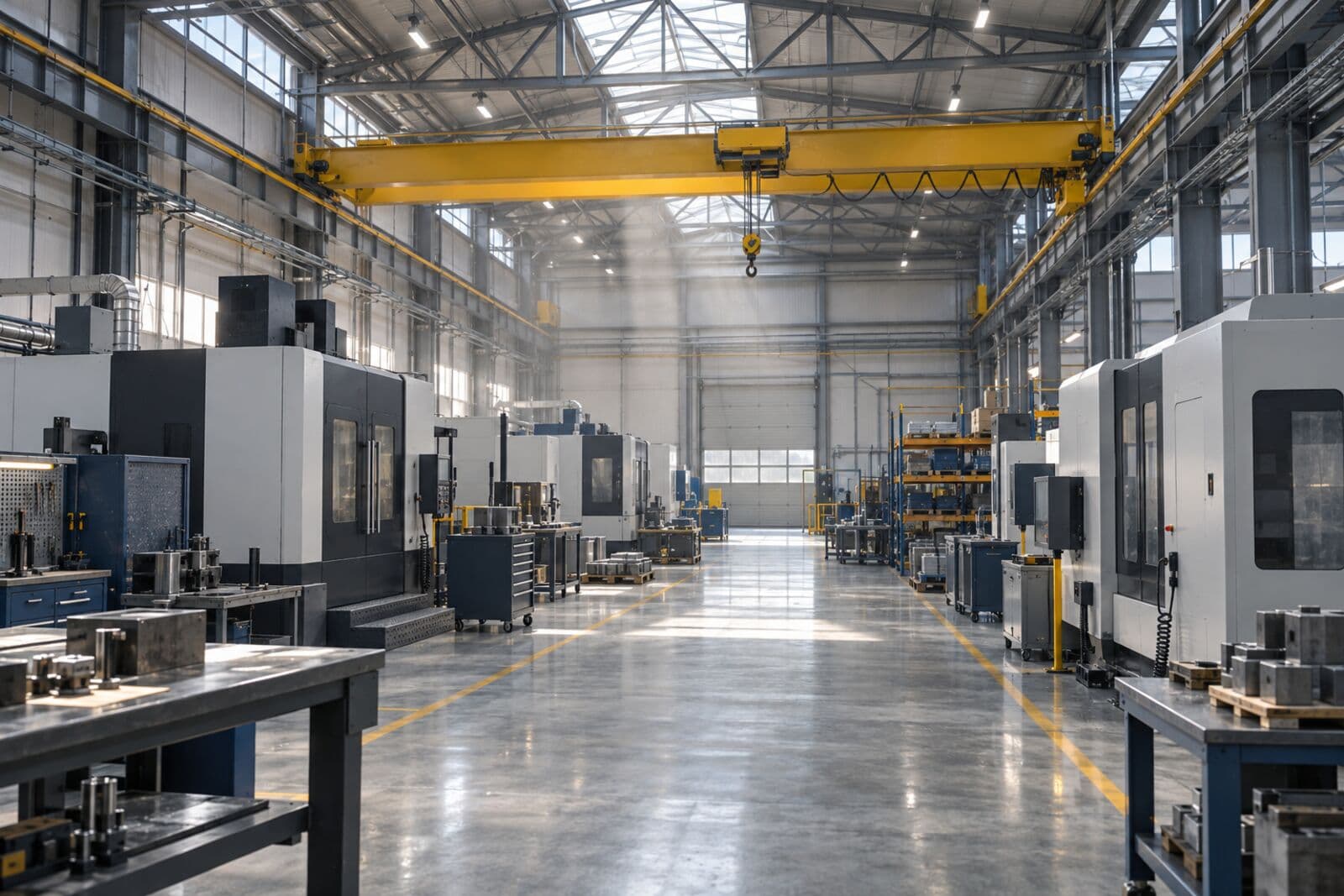
If your Memphis facility handles materials that create dust—whether it's wood, metal, food products, or plastics—you need to understand OSHA's combustible dust requirements. Non-compliance can result in hefty fines and, more importantly, put your workers at serious risk.
What is Combustible Dust?
Combustible dust is any fine material that can catch fire and explode when mixed with air. This includes dust from:
- Wood and paper products – sawdust, cardboard particles
- Food processing – flour, sugar, grain dust, spices
- Metals – aluminum, magnesium, titanium dust
- Plastics and rubber – polymer dust from manufacturing
- Textiles – cotton, wool, synthetic fiber dust
When these particles accumulate on elevated surfaces like rafters, ductwork, and overhead pipes, they become a serious fire and explosion hazard.
OSHA and NFPA 652: The Key Standards
While OSHA doesn't have a specific combustible dust standard, they enforce requirements through the General Duty Clause (Section 5(a)(1)) and reference NFPA standards in citations.
NFPA 652 (Standard on the Fundamentals of Combustible Dust) is the primary standard that affects Memphis facilities. Key requirements include:
NFPA 652 Requirements:
- Dust Hazard Analysis (DHA) – You must conduct an analysis to identify where combustible dust exists in your facility
- Housekeeping Program – Regular cleaning schedules must be established and documented
- Accumulation Limits – NFPA 654 specifies dust accumulation limits (see below)
- Safe Cleaning Methods – Compressed air is prohibited; HEPA vacuuming is required
The 1/32 Inch Rule (NFPA 654)
NFPA 654 (Standard for the Prevention of Fire and Dust Explosions from the Manufacturing, Processing, and Handling of Combustible Particulate Solids) provides specific accumulation limits. The key threshold is 1/32 inch of dust over 5% of the floor area. To put this in perspective, 1/32 inch is about the thickness of a paperclip wire.
The limit can be adjusted based on dust bulk density—lighter materials may allow slightly thicker accumulations, while heavier materials require stricter limits. For "negligible" hazard classification, accumulations must be 1/64 inch or less.
The challenge for Memphis warehouses and manufacturing facilities is that dust accumulates on surfaces that are difficult to see and reach:
- Ceiling rafters and trusses
- Overhead piping and conduit
- HVAC ductwork and vents
- Light fixtures and cable trays
- Top surfaces of equipment and machinery
Penalties for Non-Compliance
OSHA takes combustible dust seriously. As of January 2025, facilities can face fines of:
- $16,550 per violation for serious violations
- $165,514 per violation for willful or repeated violations
Beyond fines, combustible dust explosions can result in fatalities, facility destruction, and criminal charges. According to the U.S. Chemical Safety Board, there were 281 combustible dust incidents between 1980 and 2005 (excluding grain facilities), resulting in 119 deaths and 718 injuries. More recently, the U.S. averages approximately 29 dust explosions per year.
What Compliant Overhead Cleaning Involves
Whoever does the work, look for these three things:
Industrial HEPA vacuums capture 99.97% of particles, preventing dust from becoming airborne during cleaning.
Boom or scissor lifts reach the highest rafters and most difficult overhead areas without scaffolding or ladders.
Before and after photos for your compliance records, showing inspectors you maintain a proper housekeeping program.
We work nights and weekends to minimize disruption to your Memphis facility's operations.
Getting Started with Compliance
If you're unsure about your facility's combustible dust status, here are the steps to get compliant:
- Conduct a Dust Hazard Analysis – Identify all materials in your facility that could create combustible dust
- Assess Current Conditions – Check dust accumulation levels on elevated surfaces
- Establish a Cleaning Schedule – Create a documented housekeeping program
- Partner with Professionals – Work with a qualified high-dusting contractor for hard-to-reach areas
Memphis High Dusting takes quote requests from facilities in Shelby County and the greater Memphis area and passes them to a local overhead cleaning contractor.
Related Articles
Frequently Asked Questions
What is the OSHA combustible dust standard?
OSHA doesn't have a specific combustible dust standard, but enforces requirements through the General Duty Clause (Section 5(a)(1)) and references NFPA standards like NFPA 652 and NFPA 654 in citations.
What is the 1/32 inch rule for combustible dust?
NFPA 654 requires immediate cleaning when dust accumulation reaches 1/32 inch (about the thickness of a paperclip) over 5% of the floor area. For facilities over 20,000 sq ft, the limit is 1,000 sq ft of dust coverage.
What are the fines for combustible dust violations?
As of January 2025, OSHA fines can reach $16,550 per serious violation and $165,514 per willful or repeated violation.